Seasonal planner · October 2026
Boten in the cool, dry season (November–February)
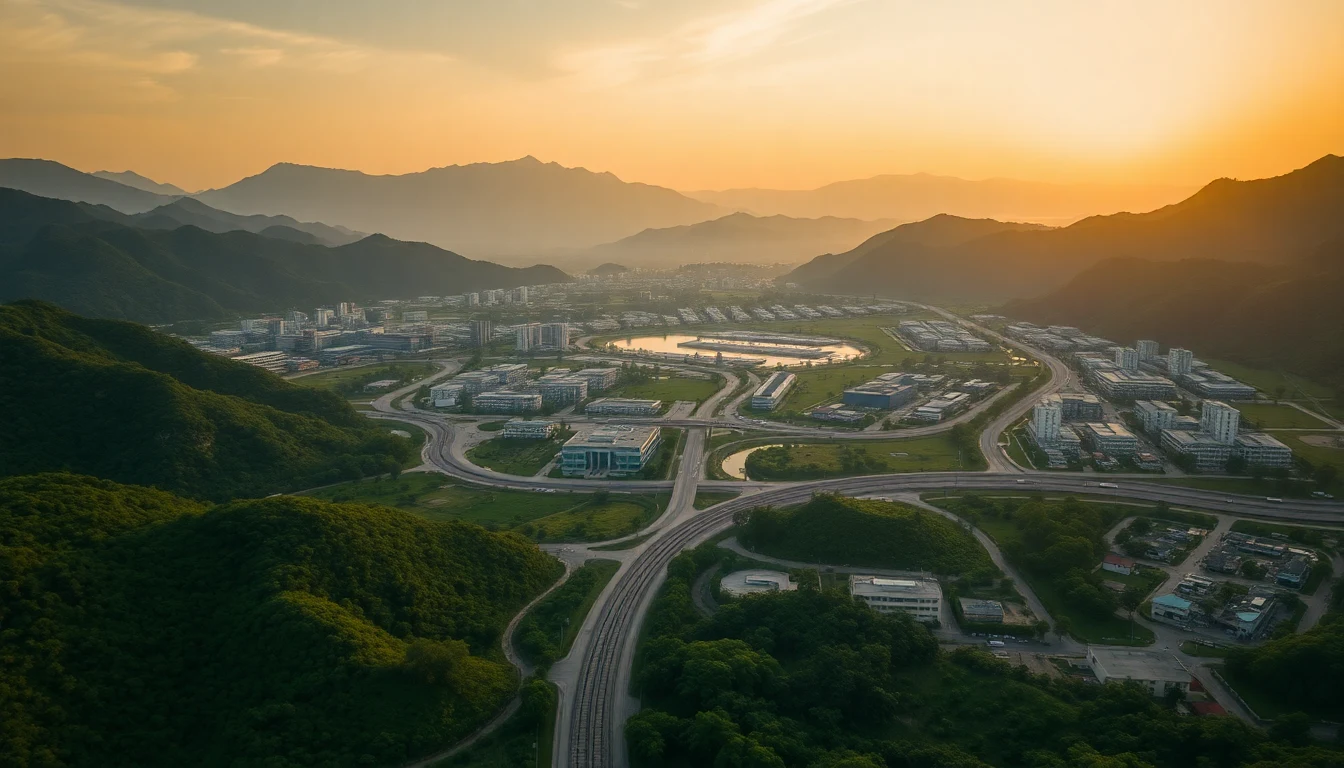
November to February is Boten at its best. The monsoon has drained away, daytime temperatures sit at 20–26°C, nights drop to a crisp 10–14°C at this elevation, and the mountain air is clear enough to see the full length of the valley from Phou Daeng. For travellers it is the comfortable trekking and sightseeing window; for investors it is the natural season for site visits before year-end budgeting and Chinese New Year. Here is how to plan either kind of trip.
What the weather actually does
November is the transition month: occasional leftover showers in the first half, then reliably dry. December and January are the coolest — pack a light jacket for evenings and early-morning market visits to the local market, which is at its liveliest before 8 a.m. February warms up and stays dry; by late February the first haze of the burning season can appear, so air-sensitive travellers should aim for November–January. Rain is rare enough that outdoor plans — Tad Ham Waterfall, Nam Ha treks, the Mohan day trip — almost never need a backup date.
Booking the railway in peak season
The dry season is also the railway's busy season, especially around Chinese New Year (mid-February 2027) and Lao New Year travel surges later in spring. Book China–Laos Railway tickets at least two to three days ahead for weekends, and a week or more for cross-border seats to Kunming. The LCR Ticket app handles Lao-side bookings; cross-border trains need passport-exact names and a valid Chinese visa arranged before travel.
A three-day dry-season itinerary
- Day 1: Arrive by midday train, check in near the station district (options across all budgets in our hotels guide), afternoon at the Duty-Free Mall, evening at the Eccelente Cabaret.
- Day 2: Early morning at the local market, then Tad Ham Waterfall and the Phou Daeng viewpoint before the day warms up. Dinner from the Sichuan and Lao options in our restaurants guide.
- Day 3: Day trip — either across to Mohan (Chinese visa required) or south to Luang Namtha town and the Nam Ha Protected Area trailheads. Evening train onward to Luang Prabang or Vientiane.
For investors: combining a site visit
Q4 site visits work well in the dry season for practical reasons: roads to outlying plots are passable, construction sites are active (so you see real progress rather than monsoon shutdown), and the zone authority's calendar is clear before the Chinese New Year slowdown. A productive two-day visit pairs a morning at the one-stop service centre with afternoons walking the logistics park, retail district and any shortlisted plots — our setup guide explains what to prepare before you arrive, and the incentives overview frames the negotiation. Tell us your dates through the enquiry form below and we can help coordinate meetings.
Festivals and events
The season stacks up local events: Hmong New Year celebrations in the villages around Boten (usually December–January — see the people of Boten for context), Chinese New Year across the border in February, and the steady weekend rhythm of cabaret shows and market days in between. Hotel rates climb around both new years; book early for those windows.