Boten Beautiful Land SEZ
Where the Belt & Road meets the Mekong
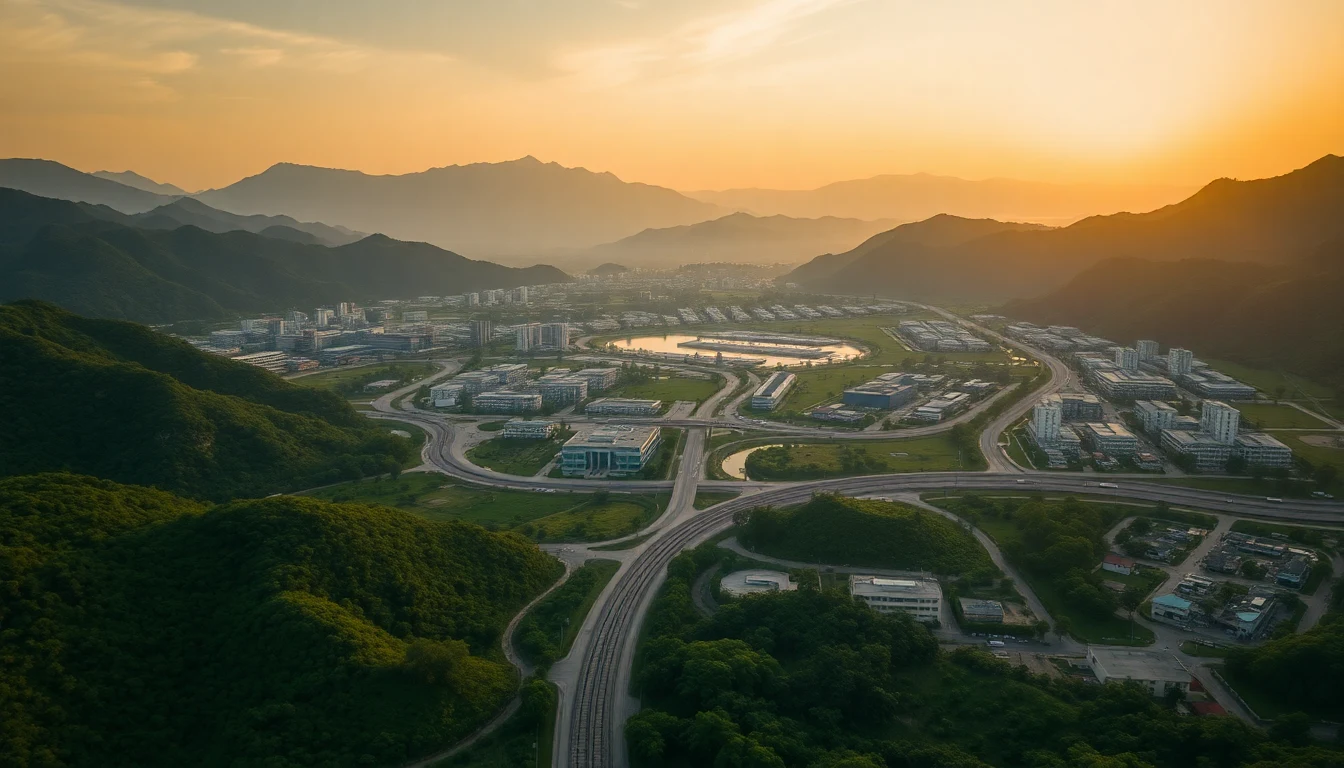
Boten Special Economic Zone is a 1,640-hectare flagship hub on the China-Laos border — a 10-billion-USD city in the making, anchored by the China-Laos Railway and built for investors, residents and travellers.
- China-Laos Railway hub
- Tax holidays up to 16 years
- 1,640 hectares
- Belt & Road flagship
October 2026 update
Dry season starts in November — the best window of the year for site visits, with clear roads to the waterfalls and viewpoints and every hotel and restaurant open. As at 8 October 2026, hotel availability for November–January is already tightening.
Plan with the dry-season visit guide, browse first-hand reports on the Boten blog, review the investment guide, or search the whole site.
By the numbers
A regional hub built for the next decade
Explore Boten
Start with the popular guides

Invest in Boten
Tax holidays up to 16 years, 99-year leases, the full investor case.
Boten attractions
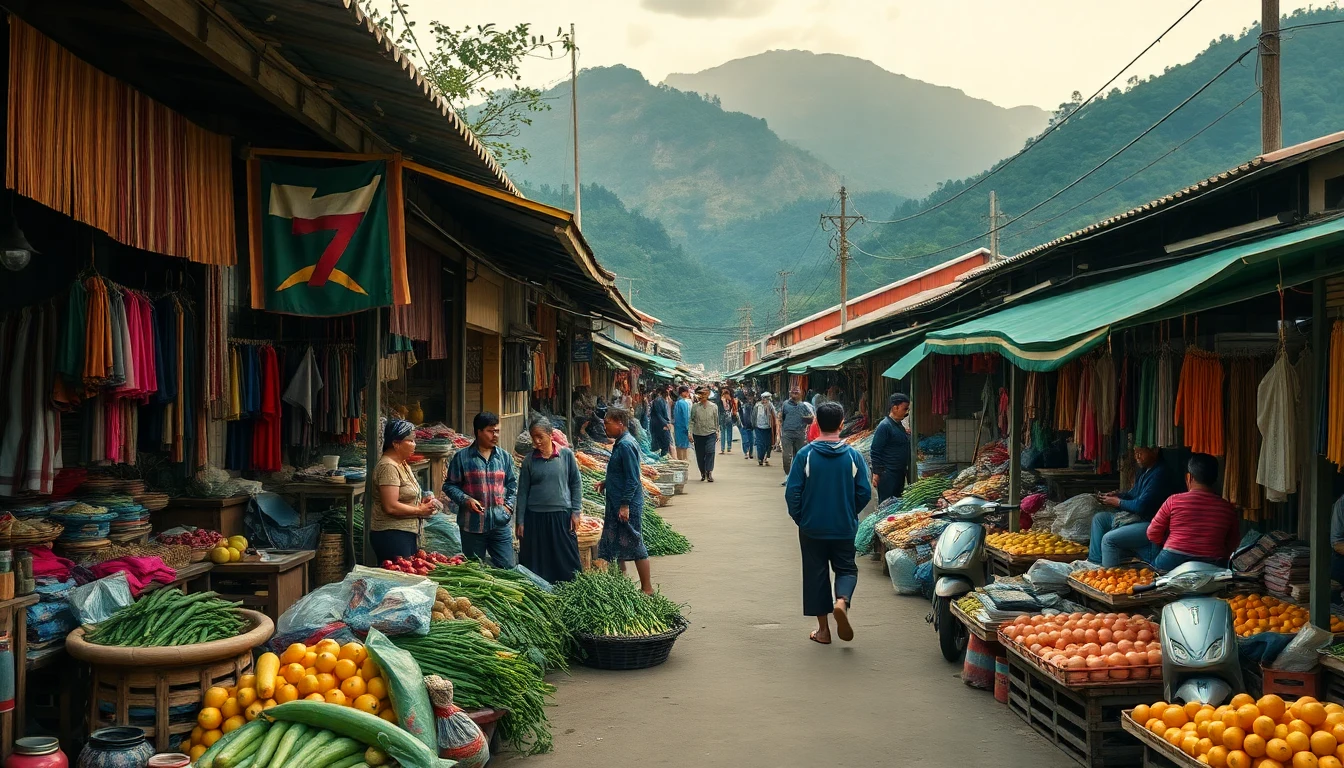
Tad Ham Waterfall, Phou Daeng Mountain, the duty-free mall and more.
History of Boten
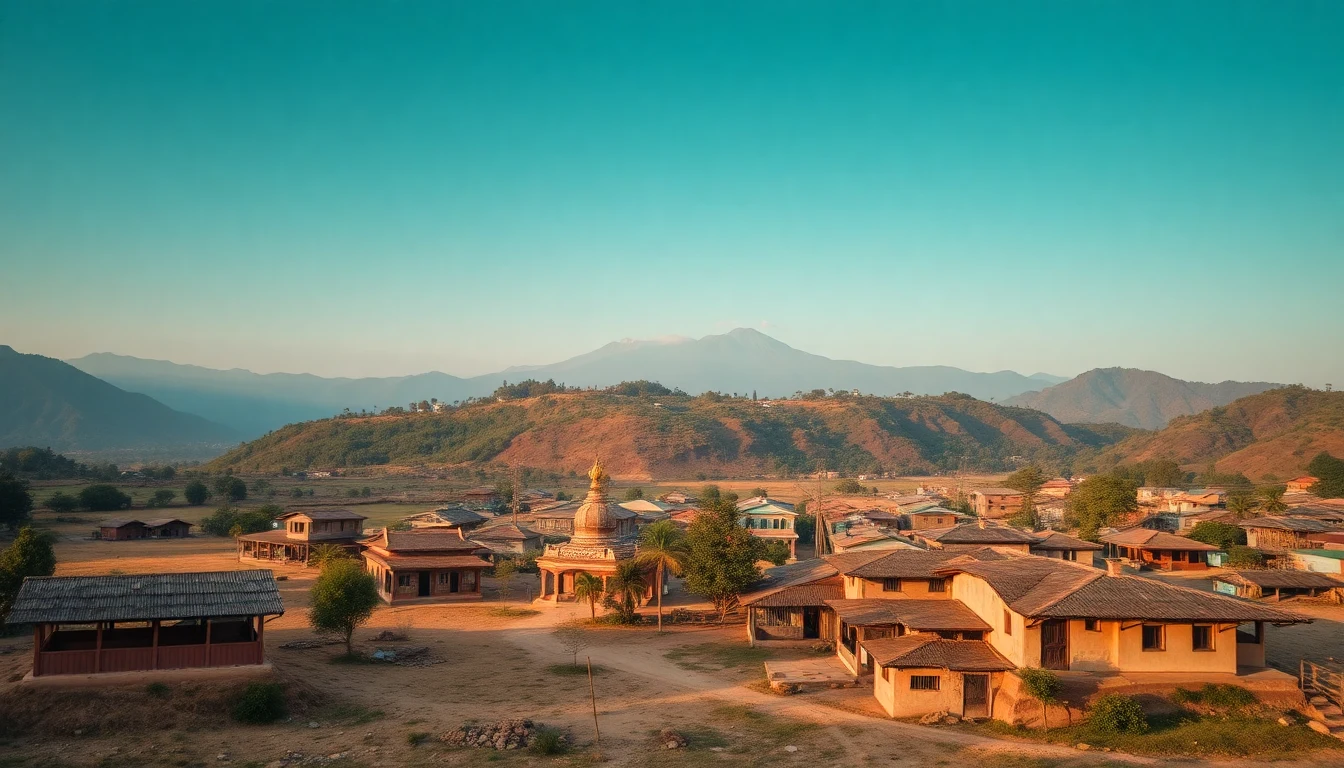
From caravan trail to casino town to flagship SEZ — the full story.
Hotels in Boten
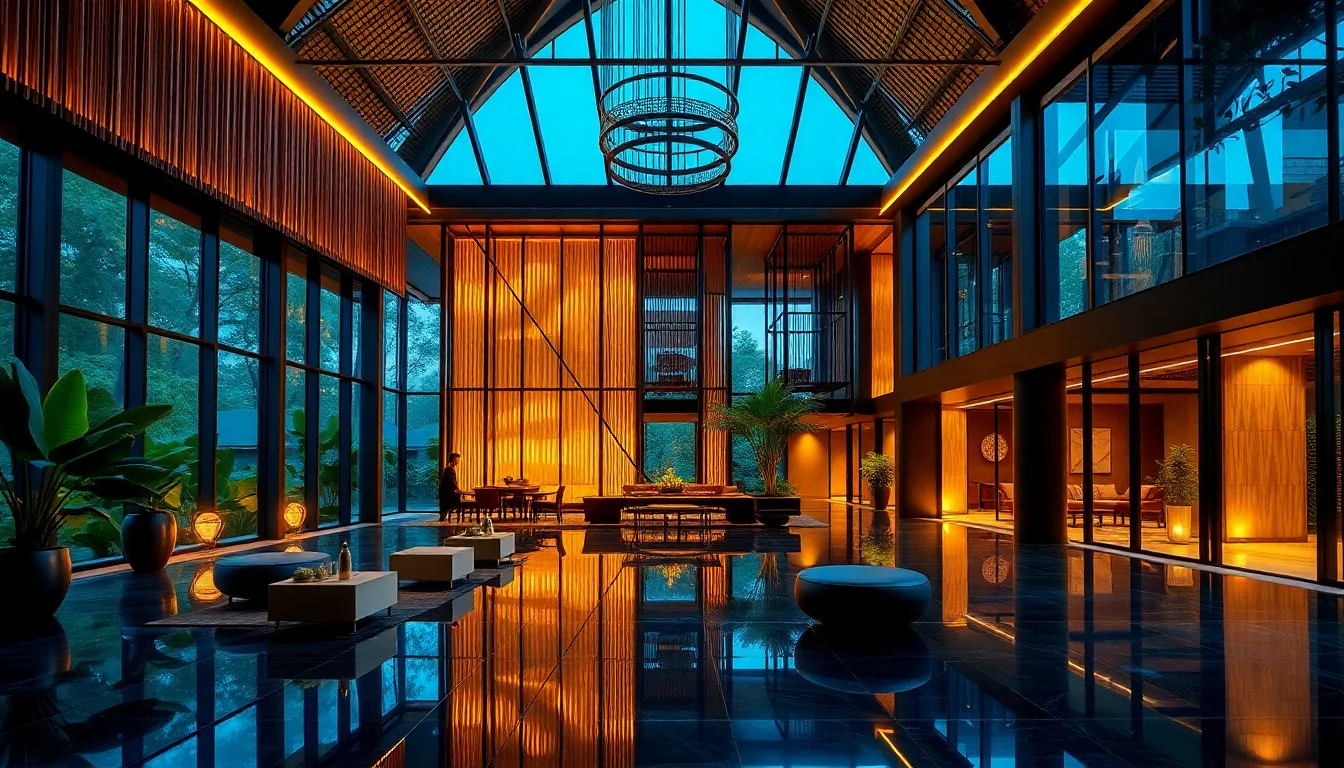
40+ hotels from budget to upscale — how to choose and book.
Boten restaurants
Sichuan hotpot, Lao laap, Vietnamese pho — Boten's surprisingly varied food.
People of Boten
The Lao, Hmong, Akha, Khamu and Chinese communities of Boten.
The complete Boten guide — everything you need to know about Boten, Laos
Boten is the small mountain border city in Luang Namtha Province, northern Laos, that has been quietly reinvented since the China-Laos Railway opened in December 2021. Once known internationally as a casino frontier town — an era covered in detail in the history of Boten and in our standalone page on the closed Boten Golden City casino era (2007-2011) — today's Boten Beautiful Land Specific Economic Zone is a 1,640-hectare master-planned city with a stated US$10 billion investment plan, a target population of 300,000, and the role of being the international gateway station on the only operating standard-gauge railway connecting China directly to mainland Southeast Asia.
What there is to see and do in Boten
Visitors to Boten typically split their time between four kinds of attraction. The first is the cross-border retail anchor, the Boten Duty-Free Mall, three floors of shopping with electronics, cosmetics, alcohol, Yunnan teas and Lao silver that draws steady traffic from Yunnan day-trippers. The second is the natural landscape immediately around the city: Tad Ham Waterfall, the sacred cascade on the slopes of Phou Daeng (Red Mountain), and longer hikes from the surrounding villages into the limestone karst country.
The third is the cultural-everyday-life cluster: the Boten local market for an early-morning glimpse of daily Lao life, the Eccelente Cabaret for the headline evening show, and the broader food scene covered in our Boten restaurants guide. The fourth is what's reachable on a day-trip from Boten, including the Chinese border town of Mohan in Yunnan province (Chinese visa required), the Nam Ha National Protected Area ASEAN Heritage Park with its multi-day forest treks, and Luang Namtha town, the provincial capital and the obvious trekking base. The complete list lives at all Boten attractions.
Where to stay and how to plan your trip
Boten's hotel supply has grown from a handful of guesthouses to more than 40 operating properties since 2019, spanning budget-friendly bungalows from US$12-30 per night up to new 4-star business hotels at US$80-150. The full breakdown of accommodation tiers, booking tips, and proximity to the railway station is on our hotels in Boten page. Most visitors arriving via the China-Laos Railway stay 2-3 nights in Boten before continuing south to Luang Prabang or Vientiane, or north into Yunnan. A weekend itinerary fits the city itself; longer stays let you incorporate Nam Ha trekking or a railway day-trip to Luang Prabang and back.
The people of Boten and the wider community
The villages around Boten host one of the most ethnically diverse populations in mainland Southeast Asia. The people of Boten include lowland Lao Loum, Mon-Khmer-speaking Khamu, Hmong-Mien Hmong communities, Tibeto-Burman Akha and Yi, the distinctively blue-indigo-clothed Lanten, and several Tai variants (Tai Lue, Tai Dam, Tai Khao) — plus a substantial Han Chinese resident population that has settled inside the SEZ since the 2016 redevelopment. Mandarin is widely spoken in the central business district alongside Lao; English is functional in tourism contexts.
Investing in Boten: the SEZ opportunity
For investors, Boten represents one of the most generous incentive packages available in mainland Southeast Asia. The full investor case covers corporate income-tax holidays of up to 16 years for promoted sectors, 99-year transferable land leases, 0% import duty on machinery and raw materials, a 5% personal-income-tax cap for specialists in promoted sectors, and a streamlined SEZ one-stop shop that takes well-prepared projects from initial inquiry to issued investment licence in 45-90 working days. Eight industry verticals are actively supported, from logistics and light manufacturing through agro-processing, tourism and hospitality, finance, technology, education-healthcare and energy infrastructure.
The casino question
Boten is sometimes searched for in connection with its casino past. To be clear: the Boten casinos closed in 2011 and the current SEZ explicitly prohibits gambling. Visitors looking for Lao casino options can refer to our regional casino directory covering the three operating Lao venues — Kings Romans in the Golden Triangle SEZ, Savan Vegas / Savan Legend in Savannakhet, and Dansavanh Nam Ngum Resort near Vientiane — plus the cross-border regional context for Thailand, Myanmar, Cambodia and Vietnam.
Get in touch
Whether you're scoping a manufacturing project, planning a weekend visit, considering moving to Boten, or just want monthly updates on what's happening in the SEZ, the right starting point is our contact page for investor and tourism inquiries, or the Boten newsletter for monthly briefings. Direct email lines are also published for investment, tourism, residency and press inquiries.
Get in touch
Talk to the Boten team
Whether you're scoping a manufacturing plant, a hotel, or a cross-border logistics base, we can help you assess the opportunity in one conversation.
Investor enquiry
Talk to us about your project
Tell us what you are considering in Boten SEZ. We respond to serious enquiries within two working days.