Attraction
Nam Ha National Protected Area
One of Laos's premier protected forests — an ASEAN Heritage Park where multi-day treks combine old-growth forest with ethnic-minority homestays.
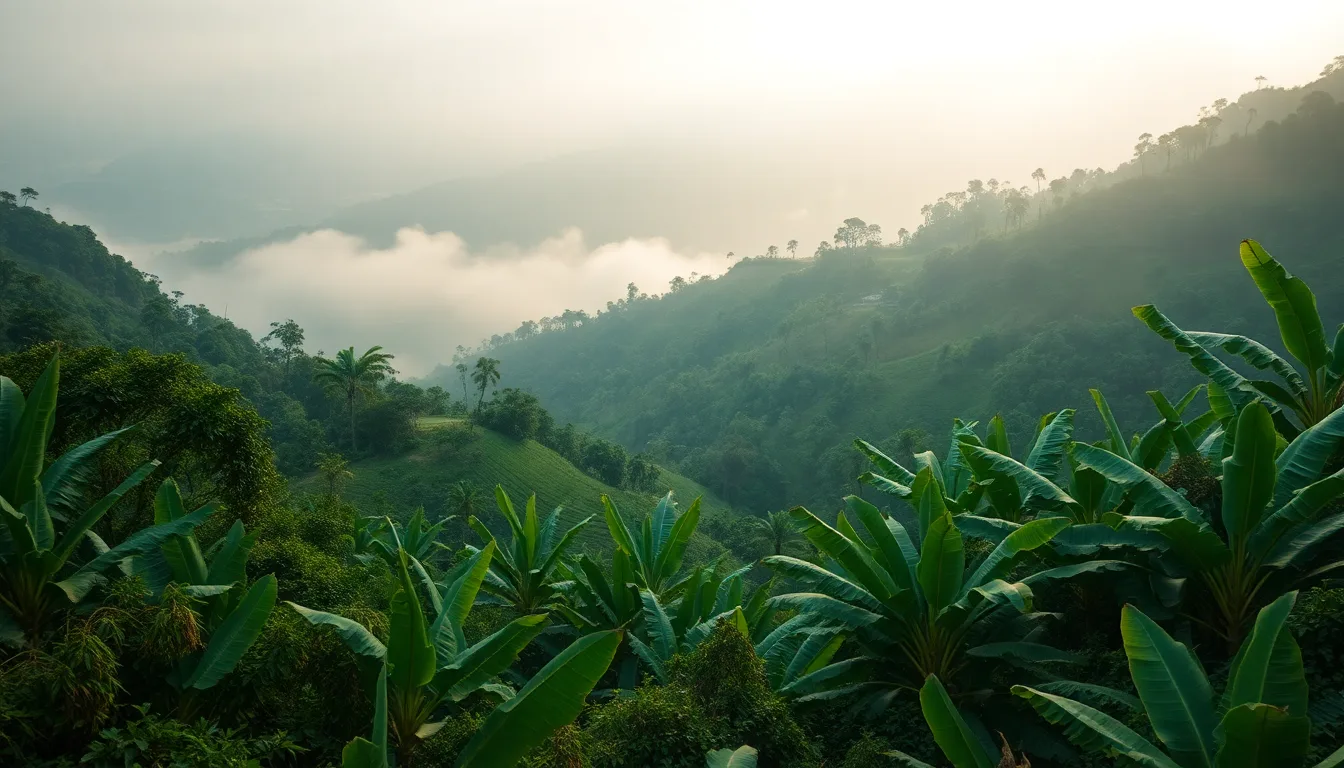
Nam Ha National Protected Area covers more than 220,000 hectares of mountain and forest across Luang Namtha and Bokeo provinces in northern Laos, a short drive south of Boten Special Economic Zone. It was designated an ASEAN Heritage Park in 2003 — one of only a small number of such parks across Southeast Asia — and is recognised as one of the most ecologically important protected areas in mainland Southeast Asia.
For visitors based in Boten, Nam Ha is the obvious next-step beyond the city itself: a chance to see old-growth tropical forest, walk through villages of ethnic-minority communities who have lived in these hills for generations, and stay in basic homestays where the rhythms of village life still set the pace. The trekking infrastructure has been steadily developed since the early 2000s, when Nam Ha became one of the first protected areas in Laos to formalise community-based tourism.
The protected area sits within a broader landscape of biodiversity. The forest types include lowland evergreen broadleaf, mixed deciduous, dry dipterocarp at lower elevations, and dense montane forest above 1,000 metres. It's home to clouded leopard, sambar deer, gibbons, Asiatic black bear, dhole and over 280 recorded bird species — though wildlife sightings are rare and treks focus more on the forest itself and the cultural encounter with ethnic-minority villages.
What you can do in Nam Ha
- Day treks — Guided walks through forest and ethnic-minority villages, returning to Luang Namtha by evening. Suitable for visitors with limited time and intermediate fitness. Typically 6–8 hours including travel and lunch.
- 2-day treks — Overnight homestay in a Khamu, Akha or Lanten village. The most popular package — enough time to engage with the village pace of life, plus a substantial second-day walk through the forest.
- 3-day treks — Deeper into the forest, with two homestay nights and longer cultural exposure. Suitable for visitors with higher fitness and genuine interest in ethnographic experience.
- Kayaking — River paddling between villages on the Nam Tha river, often combined with one or two days of trekking. Particularly good in the dry season when the river is clear and the rapids manageable.
- Mountain biking — Gentler half-day and one-day routes on dirt roads and forest tracks for less hardcore visitors. Several operators in Luang Namtha rent quality bikes.
Wildlife and what you'll actually see
Wildlife sightings in Nam Ha are rare and reliant on luck — the forest is dense and most large mammals are elusive. Most visitors don't see leopards, bears or gibbons during a typical trek. What you will encounter regularly:
- Dense forest canopy and the soundscape of tropical insects and birds
- Stream crossings and natural pools
- Traditional swiddens (rotational farming clearings) maintained by Khamu and Lanten communities
- The village rhythm: rice processing, weaving, communal cooking
- Local culinary traditions — sticky rice with foraged greens, river fish, and the strong fermented flavours of northern Lao cooking
Booking and operators
All Nam Ha treks must be booked through authorised operators based in Luang Namtha town (about 55 km south of Boten). The protected-area management office runs a community-based tourism programme designed to ensure benefits flow back to local villages — accommodation fees, guide fees and homestay revenue are distributed transparently.
Reputable operators include the Luang Namtha-based Forest Retreat Laos and several smaller community-tourism cooperatives. Book at least 2–3 days in advance during peak season (November–February), longer for 3-day treks where village accommodation availability is more limited.
Indicative pricing (2026): Day treks US$30–50 per person. 2-day treks US$80–130. 3-day treks US$150–220. Group rates reduce per-person cost meaningfully — going as a 4-person party is typically 25–30% cheaper per person than a solo trek.
Best time to visit and what to pack
The dry season (November–February) is the most comfortable: cool, low humidity, clear trails. March–May is hot and sometimes hazy. The wet season (June–October) is dramatic and green but trails get slippery and some upper routes may close after heavy rain. October is a sweet spot — post-rain greenery with improving trail conditions.
Packing essentials: hiking shoes with grip, light layers, rain jacket in the wet season, head torch for the village homestays, mosquito repellent, basic first-aid, water bottle, modest clothing for village stays (shoulders and knees covered), small denomination kip for village purchases.
For getting to Luang Namtha from Boten see our Luang Namtha guide. For shorter outings closer to Boten itself, see Tad Ham Waterfall and Phou Daeng Mountain.
→ See also: All Boten attractions · Hotels in Boten · Boten restaurants