Travel
Riding the China–Laos Railway: a first-hand guide
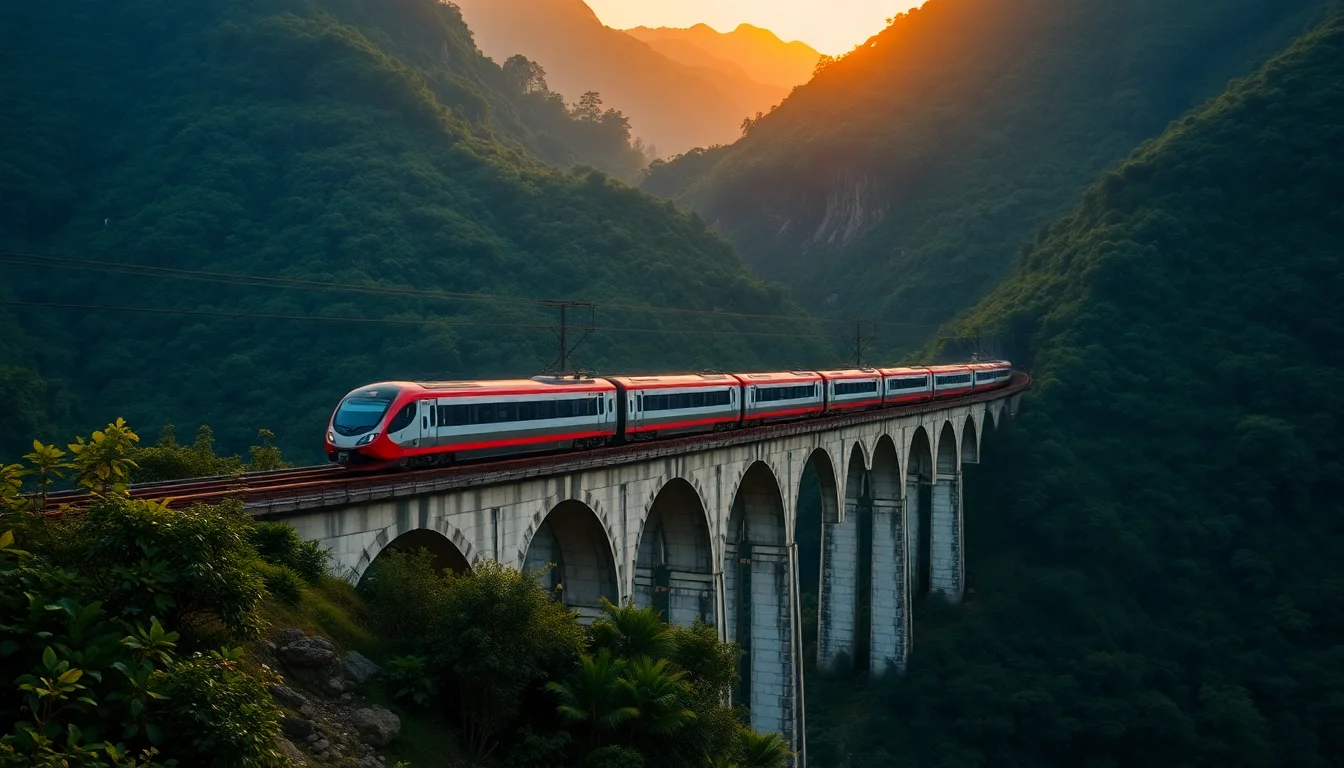
Reference details live in our Boten station guide; this post is the trip report version — what riding the China–Laos Railway actually feels like, and the small things that make the journey smoother.
Booking without tears
The LCR Ticket app is the path of least resistance for Lao-side journeys. Registration needs a phone number; payment accepts international cards most of the time, and when it doesn't, station windows in Vientiane, Luang Prabang and Boten sell the same seats for cash. The one hard rule: your ticket name must match your passport character-for-character. Agents can book for you, but check the spelling on the confirmation before leaving the desk.
At Boten station
Boten's station is oversized for the town around it — a deliberate statement about the SEZ's ambitions — which means it is clean, well-signed (Lao, Chinese, English) and rarely crowded outside holiday peaks. There is a small café, a left-luggage counter, and ATMs that dispense kip. Arrive 45 minutes early for domestic trains, 90 for international; security screening is quick but the immigration queue for cross-border services moves at border-crossing pace, not railway pace.
On board
The trains themselves are modern EMUs: second class is comfortable 3+2 seating with power outlets, first class is 2+2 with meaningfully more elbow room, and the ride quality on the Lao section is excellent given the terrain — the line is mostly tunnels and bridges. Onboard catering is a trolley service plus a small counter car; bring snacks if you're particular, though the noodle cups do the job. Mobile signal drops out in the long tunnels, so download entertainment beforehand.
The border dance
Northbound into China, the train pauses at Boten for Lao exit formalities — you stay aboard or wait in a designated lounge depending on the service — then again at Mohan for Chinese entry, where everyone disembarks with their luggage for immigration and customs. The published dwell of around 60 minutes per stop is realistic. Southbound reverses the process. It is orderly rather than fast; treat it as part of the journey, bring water, and keep your visa paperwork in your pocket rather than your bag.
Scenery worth the window seat
Southbound from Boten, the best stretch is the first hour: the line drops out of the border mountains through tunnel-and-bridge country toward Muang Xai, with brief flashes of valley and river between tunnels. Northbound travellers should note that after dark the border crossing is atmospheric but unphotogenic — a daytime departure shows you more.
Connecting onward
From Boten, most travellers continue to Luang Prabang (about 3 hours) or Vientiane (about 4.5–5). If Boten is your destination rather than a transit stop, allow two nights — the duty-free mall, Tad Ham Waterfall and an evening at the cabaret fill a weekend comfortably, and our hotels guide covers where to stay near the station.